

The Great Australian Carbon Caper: Down Under (and Underneath)
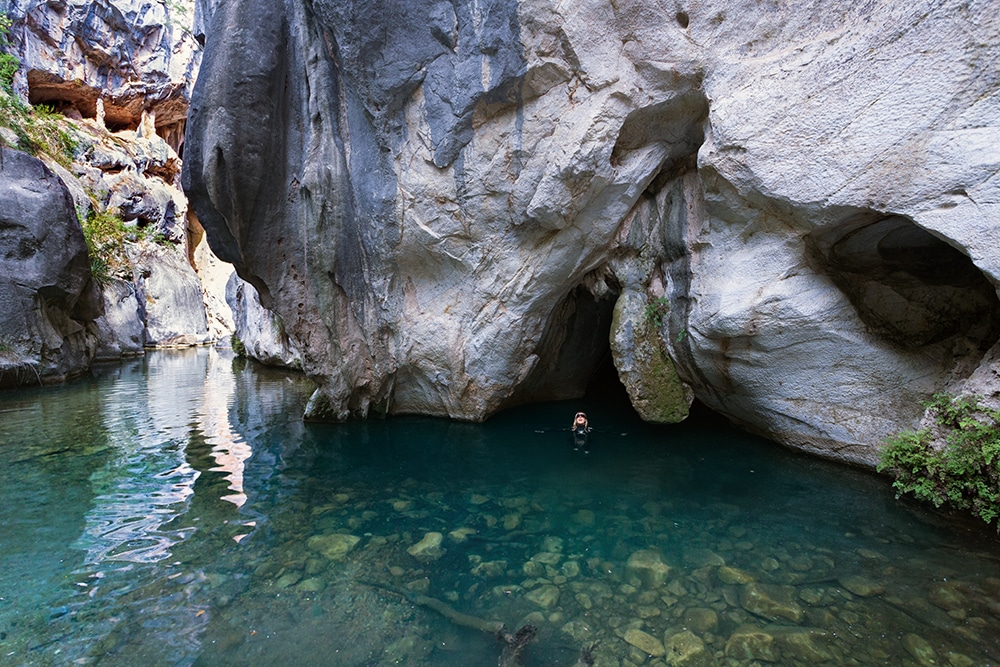
Where does Earth’s missing carbon go? A team of researchers ventured deep into Australia’s Wombeyan Caves to investigate hidden carbon pathways, using the HORIBA Aqualog®-Next to track dissolved organic matter and uncover clues to one of geoscience’s biggest mysteries.
The Secret Glowing Superpower of Extra Virgin Olive Oil

Beneath the golden-green surface of extra virgin olive oil lies a tiny army of antioxidants working to defend our cells from damage. Now, scientists have uncovered an even more surprising trait: these compounds literally glow under the right light. From fighting free radicals to exposing counterfeit oils, EVOO’s fluorescent fingerprint reveals a hidden world of science in every drizzle.
How a Drop of “Magical” Ink is Powering the Future
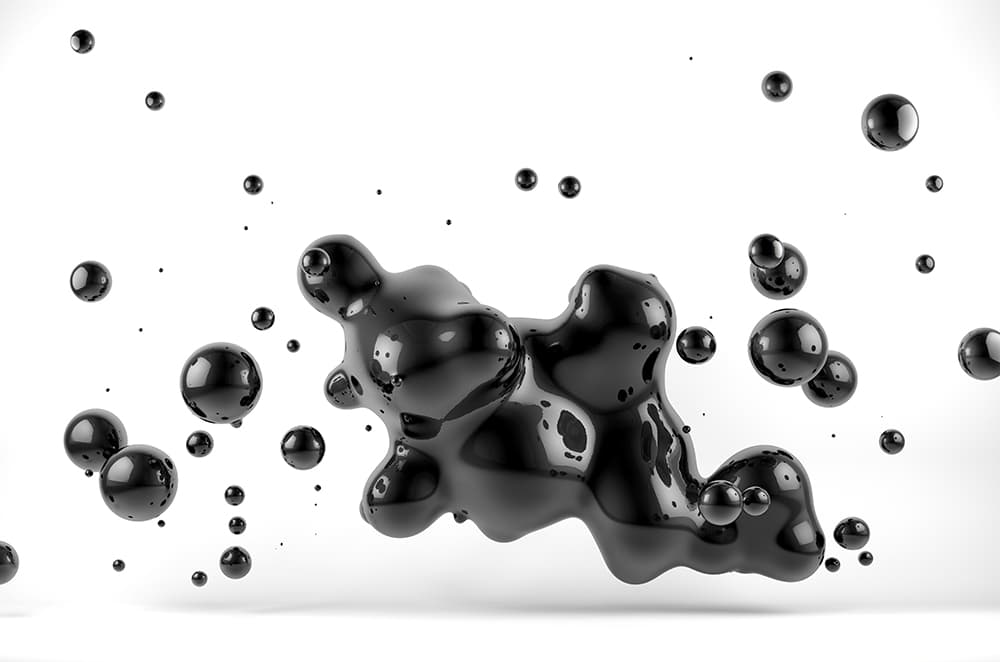
What if the secret to cleaner, more efficient fuel cells lies in a drop of black ink? At Tokyo Institute of Technology, Associate Professor Takashi Sasabe is uncovering how the microscopic behavior of catalyst ink could accelerate the development of cheaper, more powerful hydrogen fuel cells, bringing the promise of zero-emission energy closer to reality.
Crushing It in the Abyss

Beneath miles of ocean water microscopic life plays a vital role in Earth’s carbon cycle. Studying these microbes is no simple task; bringing them to the surface distorts their behavior, forcing scientists to recreate deep-sea conditions in high-pressure labs. Using advanced fluorescence techniques, researchers can observe how these organisms break down organic matter despite the intense environment, revealing a hidden world that helps regulate our planet’s climate.
Join us in Planet Ocean as we unlock the Sea’s Glowing Secrets

Look down at a globe, and what do you see? A whole lot of blue. In fact, a whopping 70% of our world is covered in water. Let’s be honest: calling our home “Earth” feels a bit like a cosmic typo. Welcome to Planet Ocean.
How One Chemist is Calling Out the Supplement Industry

If you think the Wild West is dead, take a stroll down the dietary supplement aisle, where products still operate on an “honor system” that’s ripe for creative interpretation. Stepping into this unregulated frontier is Dr. Gene Hall, an analytical chemistry professor at Rutgers University, who has taken on the role of sheriff, using his Ph.D. and an arsenal of sophisticated lab equipment to uncover what’s really inside those pricey bottles of supplements—like that “Krill Oil” you just bought, which, spoiler alert, may not contain krill at all.
The Material Shapeshifter’s Factory: A Tale of Powdered Perfection

Willie Hendrickson, Ph.D., isn’t just running a factory; he’s leading a team of material shapeshifters who take raw solids—and sometimes liquids—and perform a bit of industrial magic. Whether it’s grinding a gritty active ingredient into an ultra-fine powder that vanishes instantly or coating a sticky substance so it flows like silk through a machine, AVEKA ensures these esoteric materials behave exactly as their customers need them to.
The Secret Life of Stones: How Science Decoded Nature’s Paintbrush

The relationship between a gemologist and a gemstone is usually one of careful observation, but Professor He’s team took it a step further to clear the fog of uncertainty surrounding these materials. Without answers as to why an agate is pink or a jade turns yellow, the market was just guessing at its value.
The Tale of Appalachia’s Silicon Future

In the ancient, rolling folds of the Appalachian mountains, a new kind of story is being written, one that involves a crystalline hero known as silicon carbide. While the region has long been defined by its traditional industries, a group of forward-thinking minds at Penn State University is busy weaving a fresh economic tapestry. Led by Dr. Joshua Robinson and the Silicon Carbide Innovation Alliance, this initiative seeks to turn the local workforce into masters of the modern age.
How Science Caught the Master Forger (and Found Joy in the Process)

This is the tale of Dr. Kaori Taguchi, Associate Professor at Kyoto University, and a supposedly “lost masterpiece” called “Girl and Swan,” attributed to the German Expressionist Heinrich Campendonk.