

Unmasking Syrup Scams and Rethinking Lunch Dates

A major focus of Dr. Maria G. Corradini’s work is the inadequacy of static expiration dates. These dates often include large safety margins, leading to consumers prematurely discarding perfectly edible food, which squanders resources. Conversely, a static date can be dangerously misleading if the food was improperly handled during transport, potentially causing unsafe consumption.
Bristol’s Tiny Molecule Just Told Your Diabetic Finger Prick to Get Lost

Carbometrics, a University of Bristol spin‑out now backed by Novo Nordisk, has created a molecule that actually *likes* glucose. It’s a chemical “glove” so precise it can spot sugar in your bloodstream faster than you can unwrap a candy bar—and it could mean the end of daily needle jabs forever.
Where Do All the Microplastics Go?

So, where do microplastics come from in our daily lives? Turns out, they’re lurking in more places than you might think. Personal care products, like those exfoliating scrubs and facial cleansers, often contain microbeads that wash straight into our waterways. And let’s not forget synthetic textiles; they shed tiny fibers during each wash, adding to the microplastic pollution in aquatic environments.
When Science Meets the Grape (and the Grape Blinks First)

Let’s be honest: Chile is a country that looks like it was drawn by a distracted cartographer with a ruler and a grudge. It’s the world’s longest country—over 2,600 miles of skinny real estate wedged between the Andes (the planet’s longest mountain range) and the Pacific, stretching from the Atacama Desert, which is so dry even the cacti have trust issues, all the way down to the wind-battered, penguin-friendly tip of Tierra del Fuego. And what do you do with a country that’s basically a climate sampler platter? You make wine. Lots of it.
Smoke Gets in Your Wine – An Answer to a Serious Problem

When wildfire smoke decides to hang out in a vineyard for a while, it can leave a not-so-charming souvenir: smoke taint. Think undesirable smoky, burnt, and ashy aromas and flavors in your otherwise perfect Pinot. It’s like inviting a campfire to your sophisticated dinner party, and it just… doesn’t fit. The tricky part is that whether this unwelcome guest shows up depends on a bunch of factors, like how long the smoke hung around and how thick it was.
Unmasking the Rainbow: When Science Peeks Behind Ancient Japanese Masterpieces

Reproducing Ukiyo-e isn’t just about carving woodblocks and slapping on some vaguely similar colors. As Yuya Shimoi eloquently put it, there’s a world of difference between a mere “reprint” and a true “reproduction” that captures the soul of the original. Apparently, some modern Ukiyo-e “reprints” take artistic liberties, boldly changing colors to suit modern tastes, often with materials completely different from what the Edo-era artists used. It’s like ordering a vintage recipe and ending up with a microwave dinner – the idea is there, but the magic is lost.
We Messed With Nature, Now We’re Staring at Fluorescent Icy Ghosts

Now that we’re melting those icy archives faster than a popsicle in July, these ancient carbon materials are getting released into the wild again. What happens next?
How Fluorescence is Changing the Flow of Wastewater Treatment
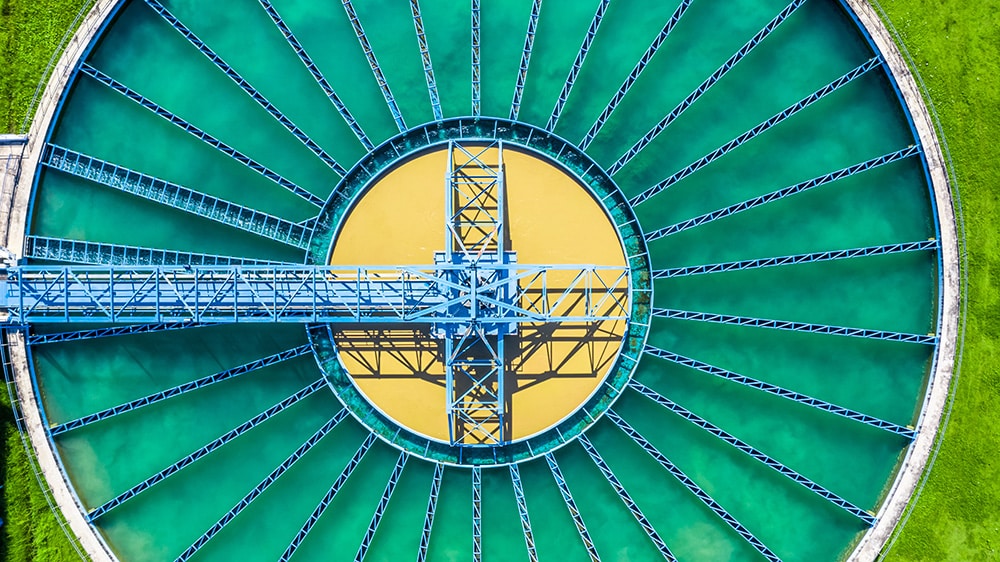
Fluorescence spectroscopy doesn’t just analyze water; it transforms how we treat, monitor, and ultimately value it.
The Nano-Explorer: Adventures in the Microscopic Coral Reef
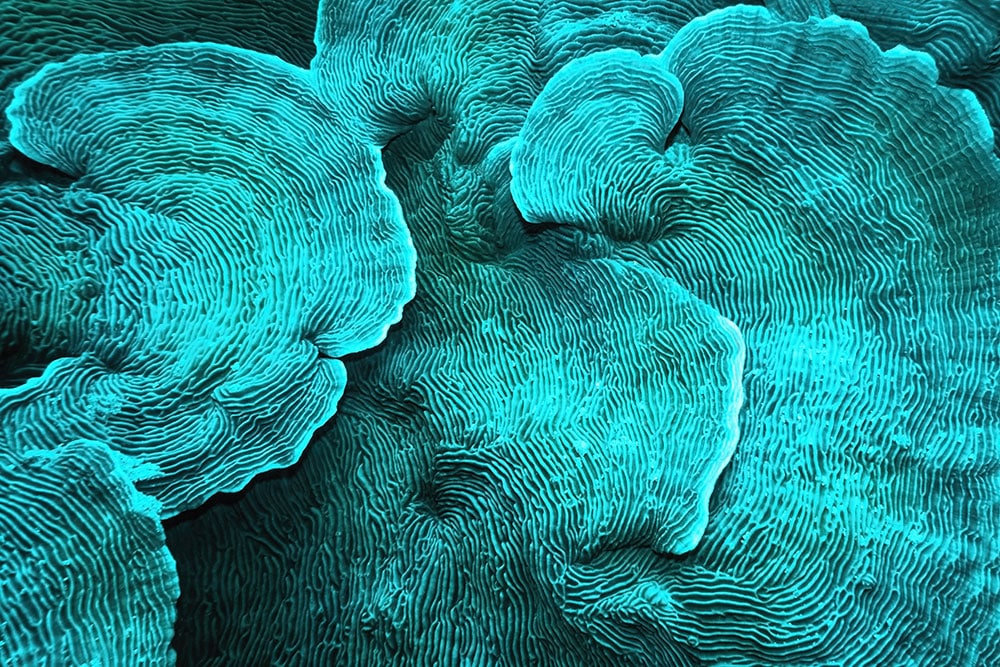
Mapping molecular landscapes 10 million times smaller than the Great Barrier Reef, revealing a world where chemistry’s rules are rewritten.
Nano-Scale Science: When Tiny Gets Mighty

Let’s talk about nanotechnology – the scientific equivalent of David taking on Goliath, but with way more chemistry and way fewer slingshots. We’re dealing with a world so small that if an atom were the size of an apple, a nanometer would be about the size of a grain of salt.