Where Do All the Microplastics Go?
- Howard Frank
- Environment

What are Microplastics?
Alright, folks, let’s dive into the tiny, yet mighty world of microplastics. So, what is a microplastic, you ask?
Well, microplastics are those sneaky little plastic particles, each less than 5 millimeters, that have infiltrated just about every corner of our environment. These minuscule menaces come from the breakdown of larger plastic items and even from the fibers shed by synthetic textiles. Understanding what microplastics are is crucial because it’s not just floating around aimlessly; it poses real threats to ecosystems, wildlife, and yes, even us humans. Stick around as we unravel the mysteries of these micro invaders and their global impact.
Understanding Microplastics
Now, let’s break down what microplastics are into their two main categories: primary and secondary. Primary microplastics are manufactured for specific uses, such as in cosmetics, while secondary microplastics result from the gradual degradation of larger plastic items. These tiny troublemakers are everywhere, posing a real environmental challenge. Marine life often ends up ingesting microplastics, leading to internal damage and chemical toxicity, not to mention the potential bioaccumulation in the food chain. The presence of microplastics in habitats is a recipe for disruption, posing risks to wildlife by ferrying pollutants and pathogens. Understanding what microplastics and its implications is key to developing strategies to curb their impact on our world.
Sources of Microplastics
So, where do microplastics come from in our daily lives? Turns out, they’re lurking in more places than you might think. Personal care products, like those exfoliating scrubs and facial cleansers, often contain microbeads that wash straight into our waterways. And let’s not forget synthetic textiles; they shed tiny fibers during each wash, adding to the microplastic pollution in aquatic environments. These particles hitch a ride through air and water, reaching even the most remote locations. Industrial processes also play a role, releasing plastic dust and shavings into the mix. Weathering and UV exposure further break down larger debris into microplastics. Recognizing these sources is vital for tackling the microplastic menace and preserving our ecosystems.
Analyzing Microplastics
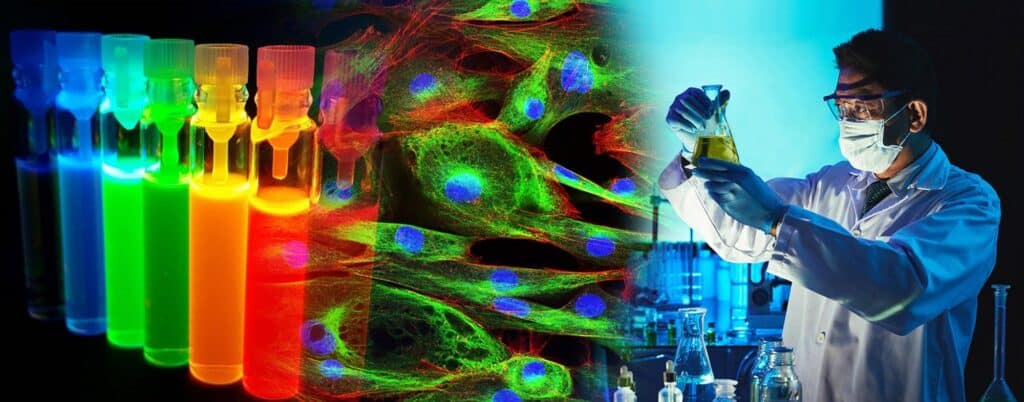
Cracking the case of what is a microplastic requires some serious detective work. Enter the world of Raman and fluorescence spectroscopy, two powerful methods for analyzing microplastics. Raman spectroscopy, a non-destructive technique, identifies polymer types by their molecular vibrations, letting scientists peek into the chemical composition of microplastics, even in complex mixtures. This precision is crucial for assessing the sources and risks of microplastic pollution. Then there’s fluorescence spectroscopy, which detects microplastics based on their glowing properties when hit with specific light wavelengths. This method is a superstar for quick, sensitive detection in environmental monitoring, distinguishing between various types of microplastics. Together, these techniques provide invaluable insights into what are microplastics and their ecological and health impacts.
Enjoy the blog? Sign up for your monthly dose of whimsical spectroscopy insights.
Recommended for you