How Fluorescence is Changing the Flow of Wastewater Treatment
- Howard Frank
- Environment
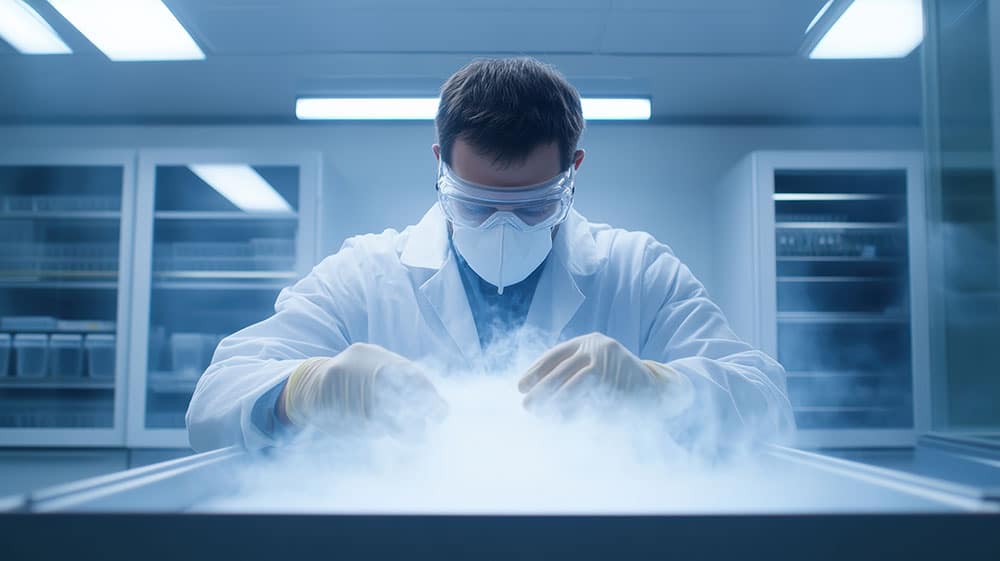
Water, water everywhere, but not a drop untested—at least not under the watchful eye of Professor Shane Snyder and his trusty sidekick, the HORIBA Aqualog® Spectrofluorometer. This duo isn’t just stopping at clean water; they’re turning fluorescence into a Sherlock Holmes-level detective tool for wastewater contaminants.
In the grand opera of wastewater treatment, contaminants play the villains. Enter fluorescence spectroscopy, the unexpected protagonist, armed with speed, sensitivity, and flair. It’s not just a lab technique—it’s a revolution.
Aqualog: The Fluorescent Superhero
Picture this: instead of waiting weeks for mass spectrometry to whisper secrets about water’s contents, the Aqualog shouts the answers in seconds. Its unique ability to analyze broad spectra of light reveals patterns like a water-borne polygraph, exposing contaminants and optimizing treatment systems faster than a fish out of water.
Professor Snyder, a global wastewater whisperer with 30,000+ citations under his lab coat, sings the praises of Aqualog’s speed and precision. “It’s like skipping the detective work and heading straight to the trial,” he muses, probably while wearing safety goggles.
From Estrogen to Ocean Desalination
What started as a quest to uncover estrogen compounds affecting fish in the ’90s has evolved into a multi-pronged offensive against pollutants. Fluorescence EEMs (Excitation Emission Matrices) are now detecting the integrity of water treatment membranes, optimizing ocean desalination, and even decoding the fluorescence fingerprints of recycled water.
In Snyder’s lab, fluorescence isn’t just a tool—it’s a language. Whether monitoring soil’s natural recycling magic or preventing algal blooms from nutrient overload, the Aqualog helps ensure water systems perform like virtuosos.
The Global Plot Twist
While Singapore, Snyder’s base, boasts high-tech treatment facilities, the region tells a different story. Across the bridge in Malaysia, wastewater treatment is still grappling with basic infrastructure. It’s a sobering reminder that while fluorescence spectroscopy is leading in labs, economic disparities influence its real-world deployment.
But fear not, because innovation is contagious. With online monitoring on the horizon and fluorescence carving paths where none existed, the future of wastewater treatment looks bright—quite literally.
The Big Picture
Fluorescence spectroscopy doesn’t just analyze water; it transforms how we treat, monitor, and ultimately value it. With tools like the Aqualog, the narrative of water is shifting from murky uncertainties to crystal-clear solutions, one photon at a time.
So, the next time you pour a glass of water, give a nod to the unsung heroes like fluorescence spectroscopy and the scientists who wield it. They’re the reason that water stays as pure as its intentions.
Enjoy the blog? Sign up for your monthly dose of whimsical spectroscopy insights.
Recommended for you